
In August 2022 we completed a round of mystery shops to a For-profit help hotline.
The sales process is as follows.
- Customer calls hotline
- Staff member puts customer at ease
- Customer details their problem
- Staff member demonstrates their knowledge
- Staff member proposes a paid consultation
Every customer interaction should have a Definitive Next Step. In this case, it’s to secure a one-on-one paid consultation.
The consultation pays everyone’s wages.
As often happens in these high-touch environments, the staff members are sympathetic and knowledgeable but lack in sales closing skills.
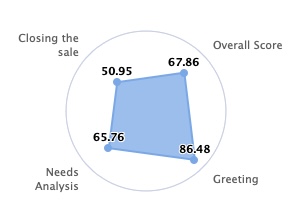
The greeting is fantastic, but they fall over in needs analysis and closing the sale.
This is a common service fingerprint.
Needs analysis – staff can’t help themselves. They love to impart their knowledge, often at the expense of listening. They go into an expert product spiel mode and bamboozle the customers.
Closing the sale – for this client, it only happened 50% of the time. So they are wasting half of their marketing spend because only 50% of customers are being invited to buy.
There is no need to be afraid of asking a sale. After all, that’s why customers call.